

The Case of Phoenix
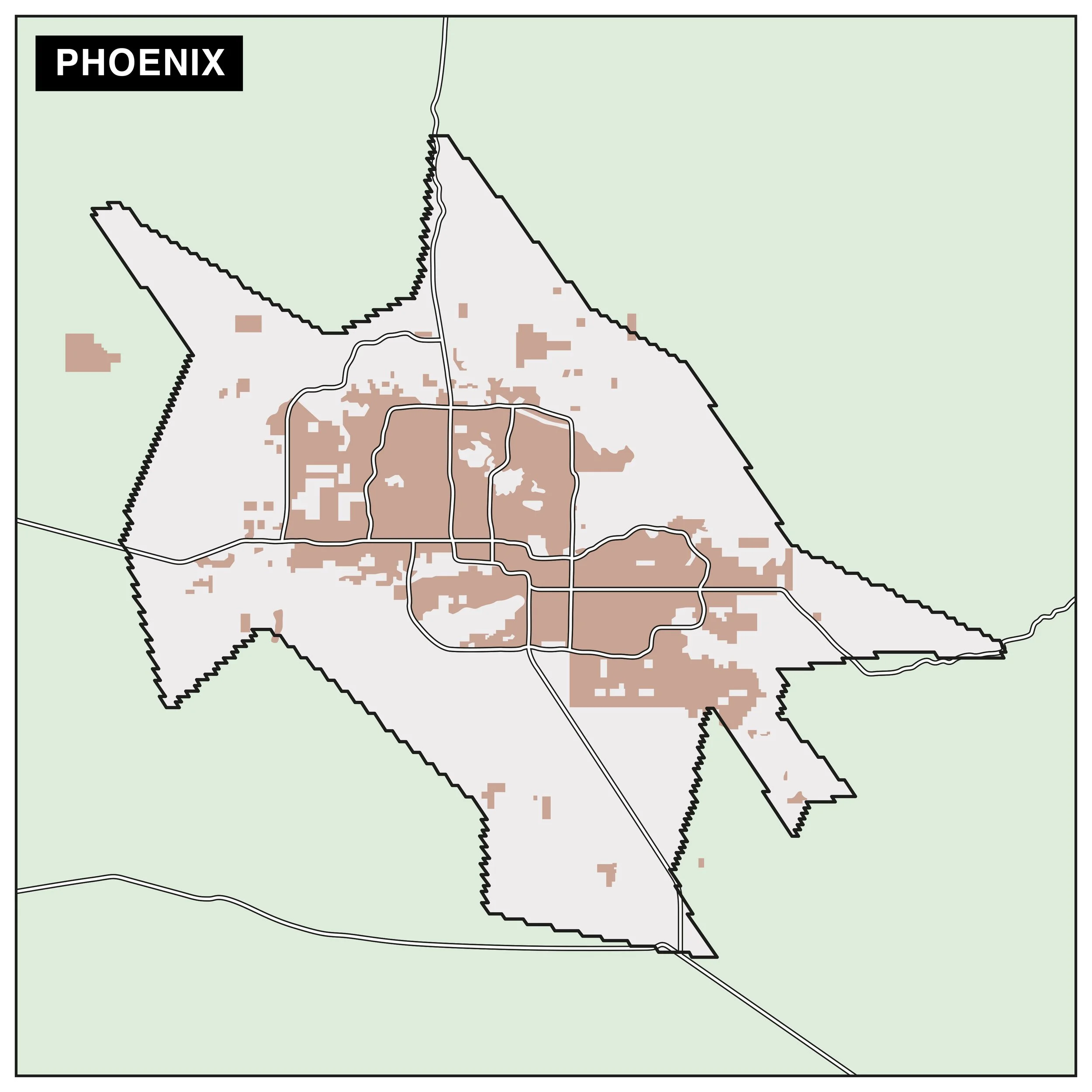
The functional urban area (FUA) of the Case Study in Phoenix
Phoenix, Arizona, sits in the middle of the state at the northern extent of the Sonoran Desert, with urbanization concentrated on an alluvial plain shaped by the Salt and Gila rivers and framed by surrounding mountain ranges. The metropolitan region––among the fastest growing in the United States, home to nearly five million residents––is known for its hot, dry climate. Receiving less than 200 mm of annual rainfall, the area has been shaped by longstanding efforts to manage water locally and far beyond. Despite being a desert city, flooding has always been a major challenge for the development of the metropolitan area and has been a major driver of efforts to control the environment through dams and other flood control measures.
Historically, Phoenix has had a summer monsoon season (June to September), which typically brought strong storms hit the Valley. In recent years, however, increasing urban heat and shifting precipitation patterns have caused “nonsoons” –– seasons in which the monsoon does not occur. Phoenix’s most tangible and pressing sustainability problem is urban heat, which is strongly exacerbated by climate change and becoming increasingly deadly. Beyond extreme heat, Phoenix faces and contributes to a variety of long-term sustainability problems, notably acute water supply and drought risks.
I want to see us turn the world into a garden. It's a connection with the land and soil. And, you talk to people who… like grandparents or great grandparents… Everybody had a connection to their food and their garden.

Three examples of nature-based solutions in Phoenix
The Tres Rios Ecosystem Restoration Project (“Tres Rios”), a constructed treatment wetland, represents one of the most ambitious and longstanding nature-based solutions in the Phoenix region. The project involved the rehabilitation of roughly 700 acres of wetland and riparian habitat along the lower Salt and Gila River corridors.
Spaces of Opportunity (“Spaces”), founded in 2015, is a multi-functional agri-food hub located on a 19-acre site in South Phoenix. Once an informal dumping ground, the site was reimagined by local organizations and community members to address urgent food access, health, and equity challenges.
The Rio Salado Habitat Restoration Area, completed in 2009, is one of the City of Phoenix’s key restoration projects on the Rio Salado (Salt River) and was the first river segment within the City which underwent extensive environmental restoration. The material labor of restoring land degraded through industrialization was considerable.
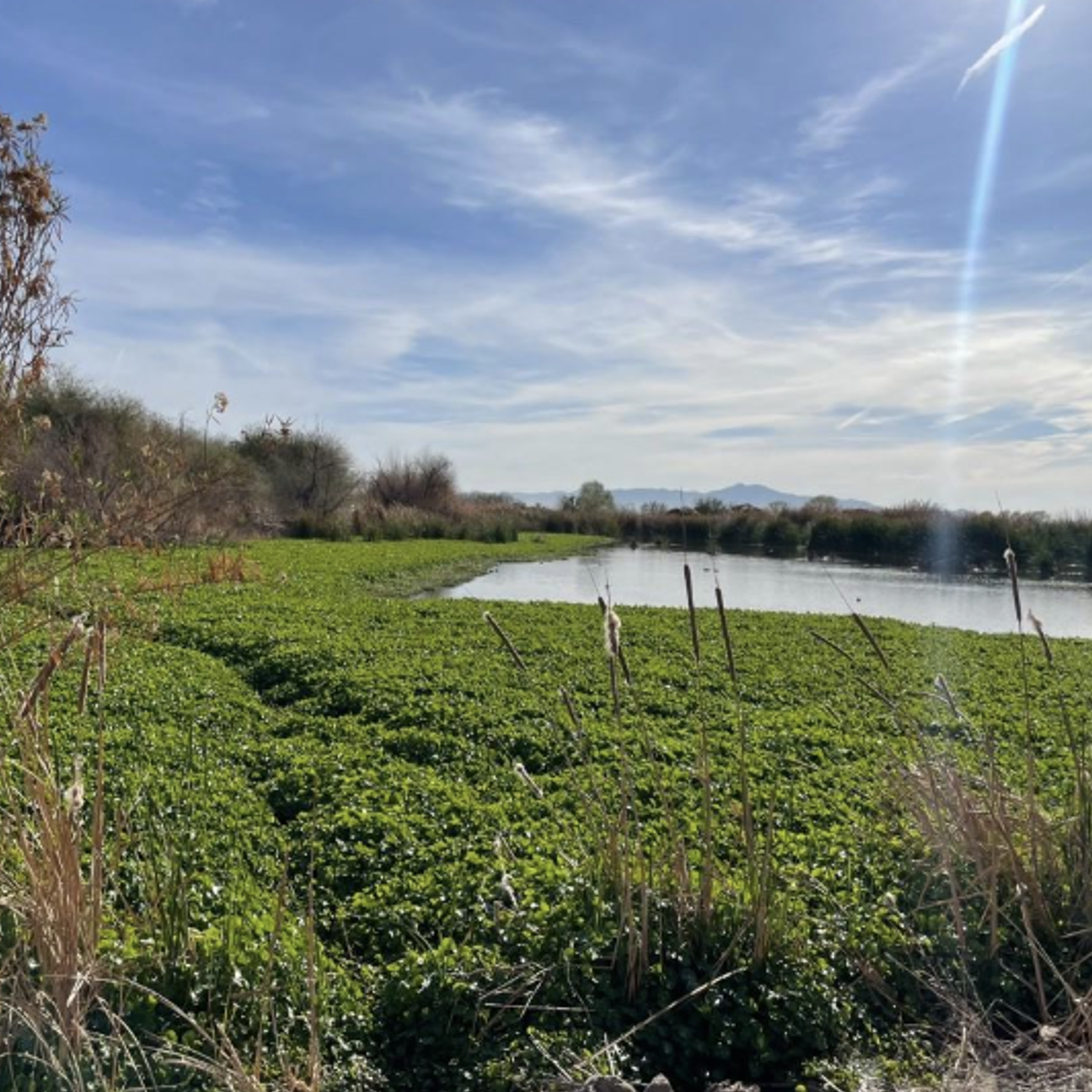
Figure 1: Tres Rios Wetlands. Photo: Fiona Kinniburgh
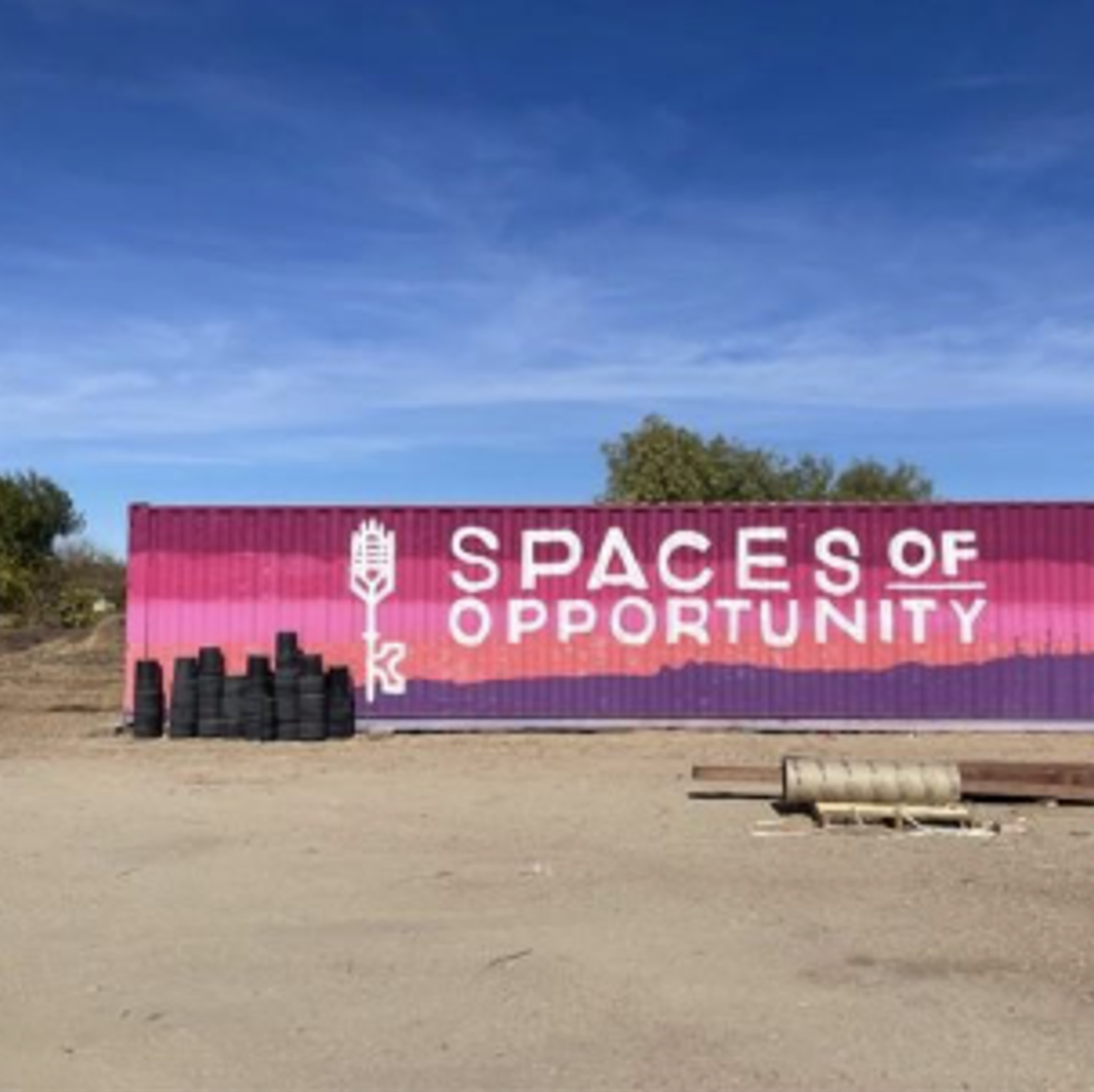
Figure 2: Spaces of Opportunity artwork. Photo: Fiona Kinniburgh
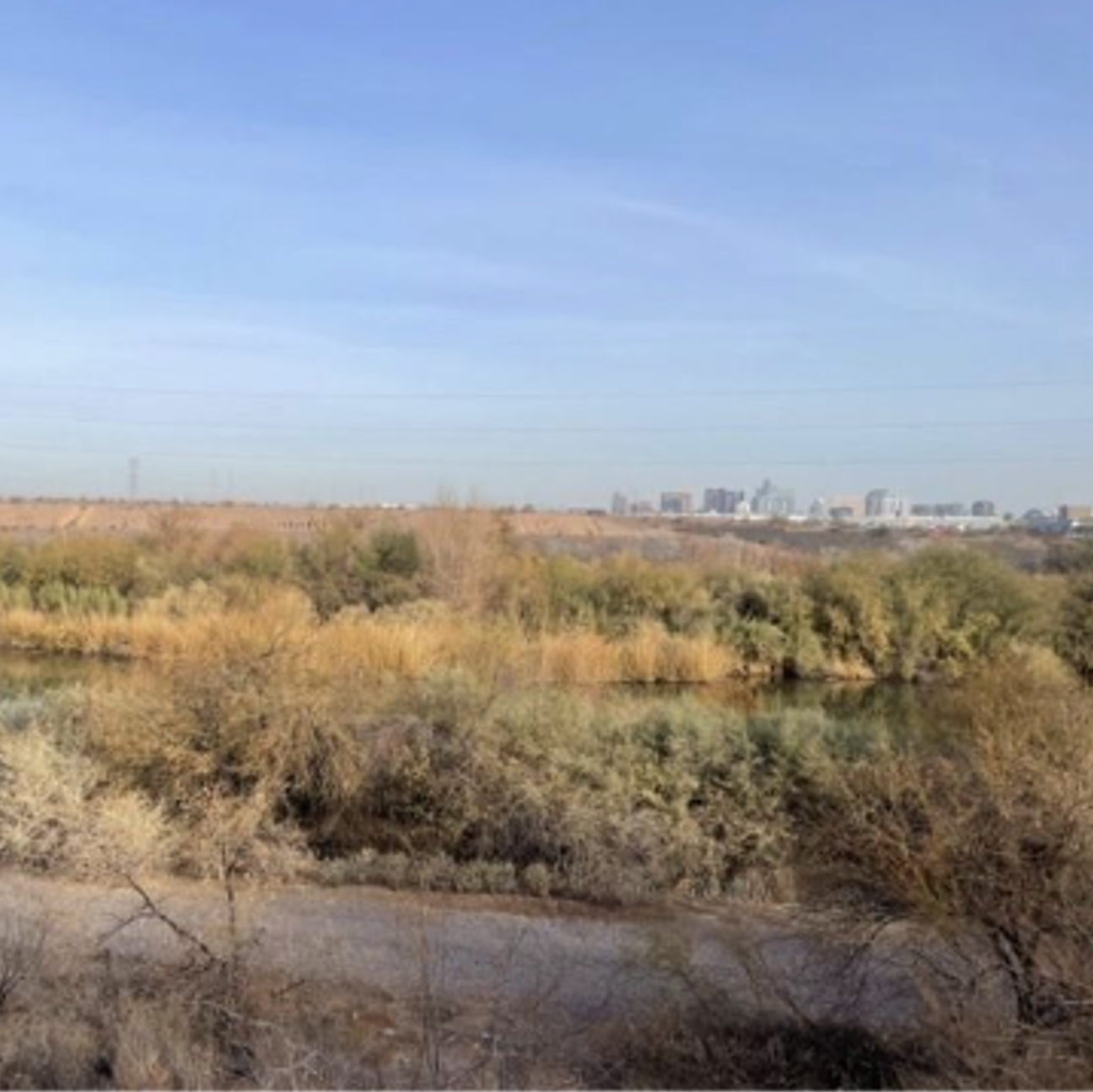
Figure 3: Present day Rio Salado, after restoration. Photo: Fiona Kinniburgh