

The Case of Mobile
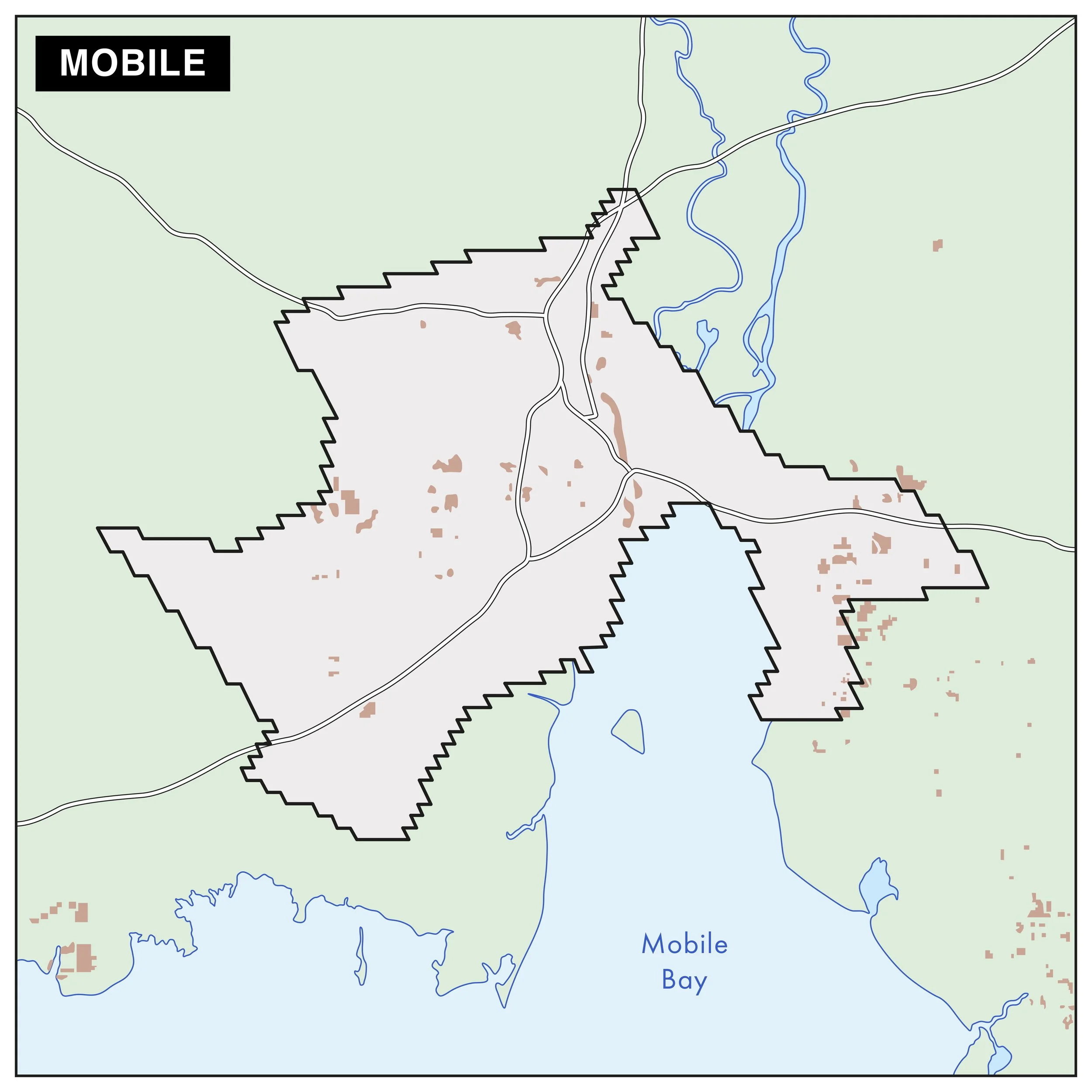
The functional urban area (FUA) of the Case Study in Mobile
Mobile is known for its large marine port and various industries that have settled along the coastline and the neighboring areas. Mobile’s delta is also known as North America’s Amazon, an estuary rich in biodiverse habitats, including wetlands, famous cypress and long pine trees, swamps, seagrass beds, marshes and oyster reefs. A diverse range of species call these spaces home, such as alligators and brown pelicans, and they are also vital in supporting (eco)tourism and the seafood industry. Tragically, over the last few decades seagrass beds have been in decline, marshes and wetlands have degraded or encroached, and oyster reefs have been declining.
It is within this complex history and unequally shared vulnerabilities within human and more-than-human communities that Nature-Based Solutions (NBS) have found there place as ways to secure the city in building the capacity to address and withstand present and future stressors. The development of green and blue spaces hope to enhance the city’s capacity to address present and future disturbances: from riverfront parks such as Brookley by the Bay, wetland and watershed restoration affected by the 2010 Deepwater Horizon oil spill, ‘’living’’ shorelines along Mobile Bay, to green- and blueways connecting Mobile.
We need the politicians to understand that the environment is for all right. The funding sources we've had so far are bipartisan because everybody can agree. And so we need more of that bipartisan approach …. So that that is seen as strong because at one point in our history, reaching out and figuring out compromises for the benefit of all was seen as a strength, not a not a weakness.

Three examples of nature-based solutions in Mobile
The Mobile Bay National Estuary Program (MBNEP) started working on the D’Olive watershed in response to sedimentation and erosion problems the watershed has been facing. Using the funds that were made available by the oil spill, a range of stream restoration projects were financed and led by MBNEP along the D’Olive watershed, starting in 2012.
The Mobile Greenway Initiative envisions greenways connecting multiple parks throughout the city, with the Three Mile Creek Greenway being the first one: a greenway that follows the Three Mile Creek in Mobile’s city center. The greenway was developed alongside the Three Mile Creek, a historically and culturally important river in Mobile.
The envisioned Africatown Connections Blueway is located in and around Africatown, a neighborhood north of Mobile downtown. Africatown is deeply connected to the history of slavery, and continues to suffer from environmental injustices, as the town is surrounded by various polluting industries that interfere with the coastline for recreation.
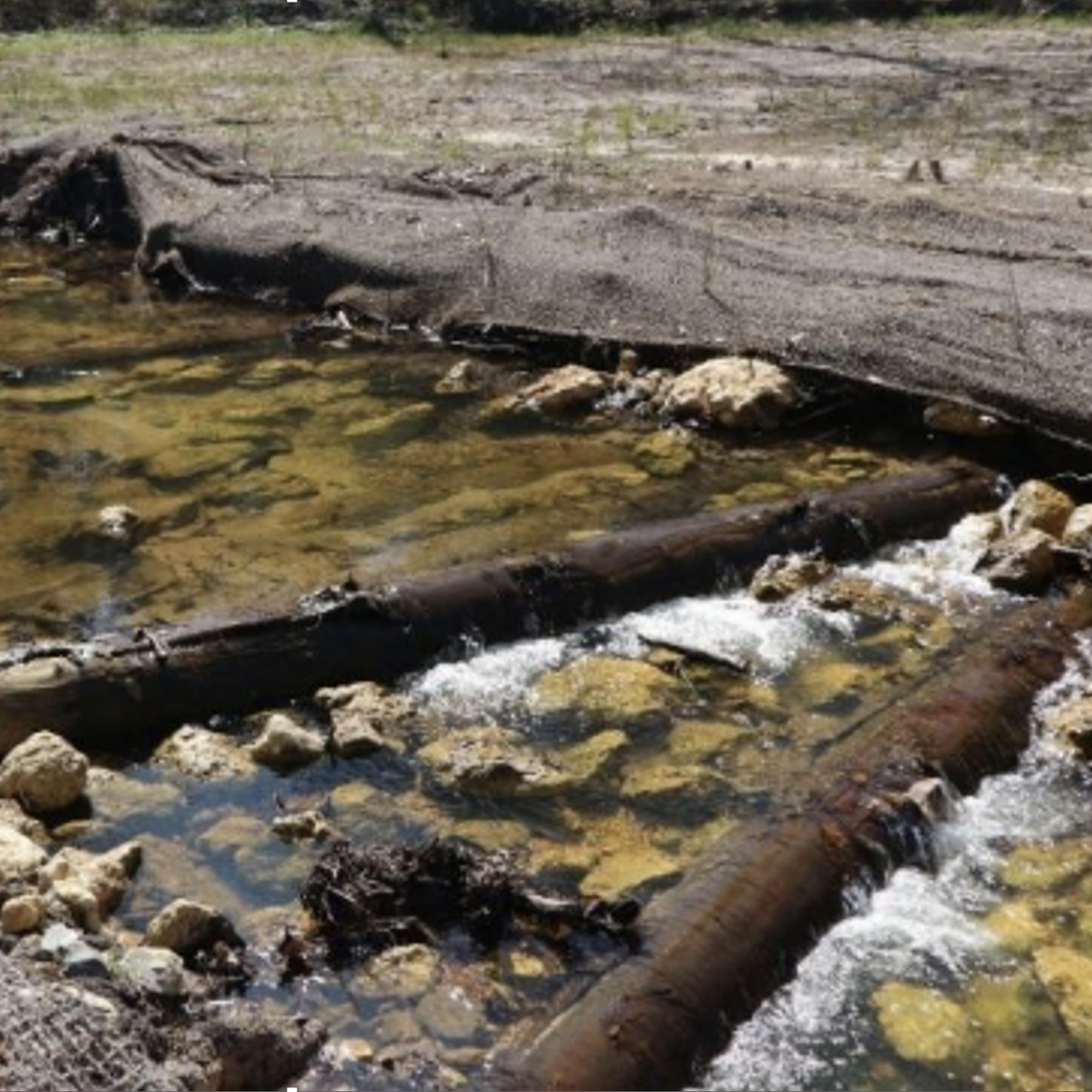
Figure 1: D’Olive Watershed Stream Restoration site where trees are used as restoration infrastructure. Photo: Anouk Fransen
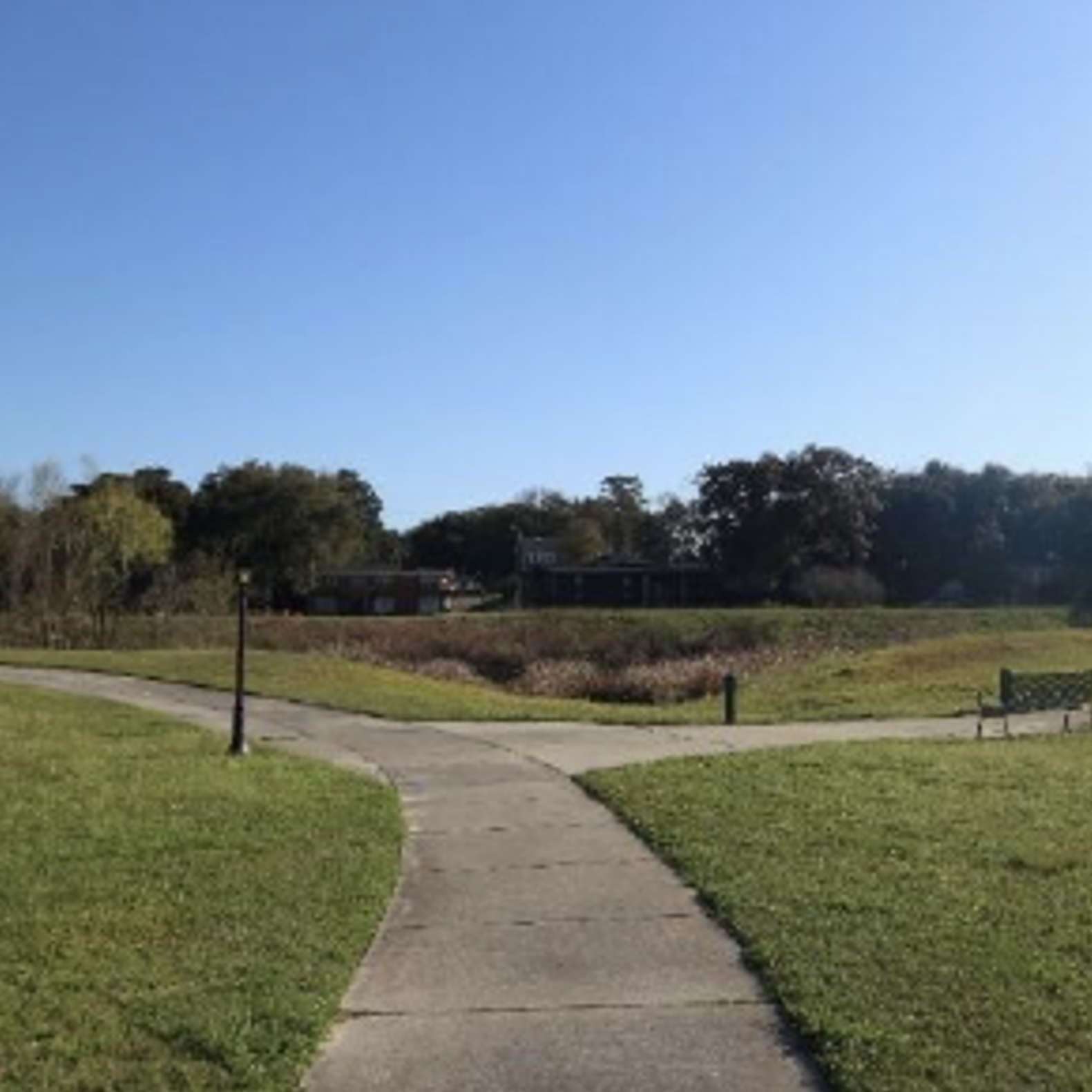
Figure 2: Trail types along the green way. Photo: Anouk Fransen
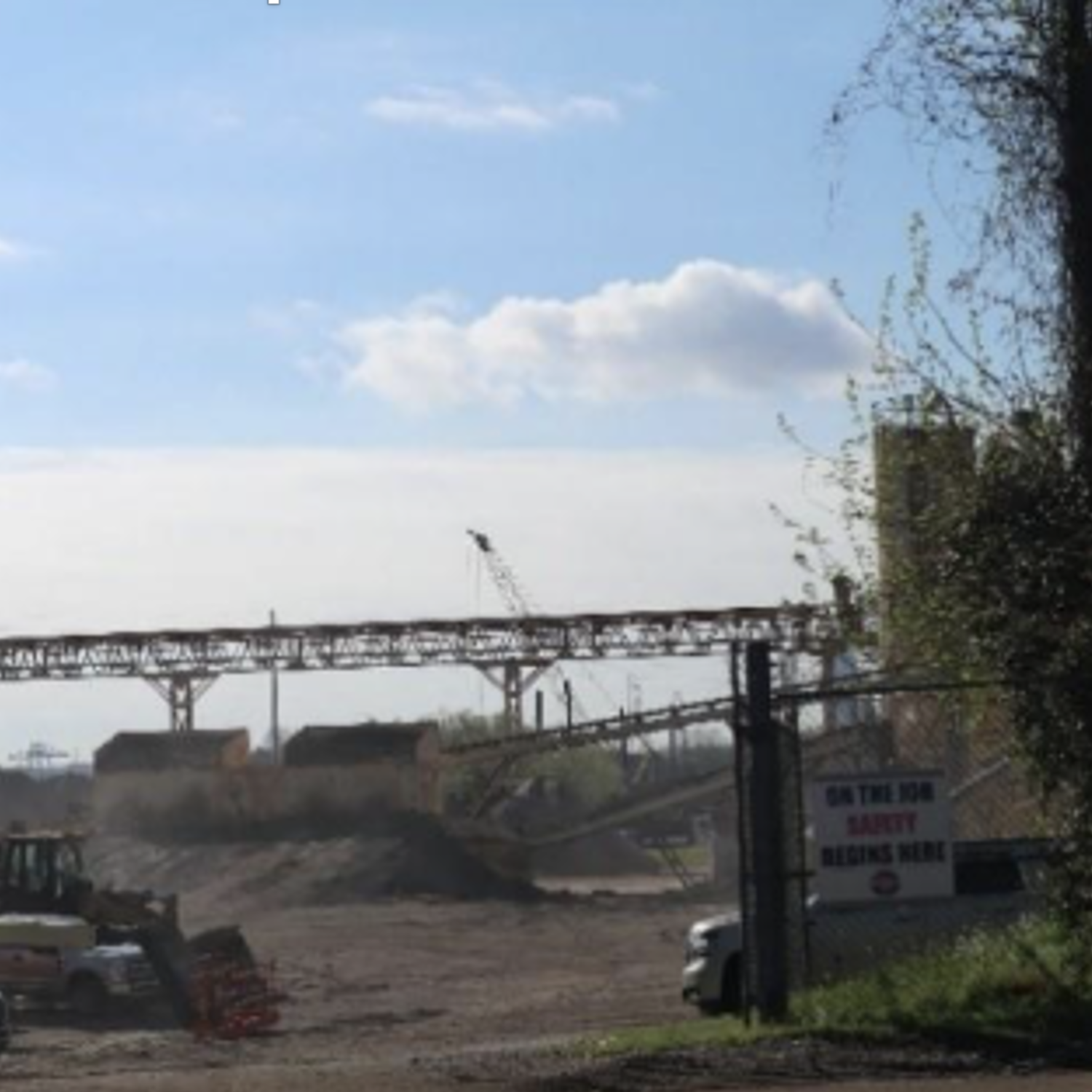
Figure 3: Africatown surrounded by industries. Photo: Anouk Fransen