

Citizen science is an important topic for the NATURESCAPES project because it offers new ways for communities to participate in environmental research and nature-based solutions. In this blogpost, we discuss when, where, and how citizen science can become a powerful driver of more inclusive and effective nature-based solutions.
Citizen science (CS) has become an important part of helping communities understand and respond to environmental challenges. NATURESCAPES has studied a number of different CS initiatives that employ nature-based solutions (NbS), where citizens contribute to different stages of research and action, such as observing and monitoring ecosystems, testing the effectiveness of different NbS, helping implement NbS, or sharing local ecological knowledge.
In this blogpost, I discuss some emerging research on CS within the NATURESCAPES project and the wider literature, focusing on what CS for NbS looks like, and how CS can improve NbS effectiveness. But first — what exactly is CS?
Beyond Data Collection: How Citizen Science Can Help Transform Nature-based Solutions
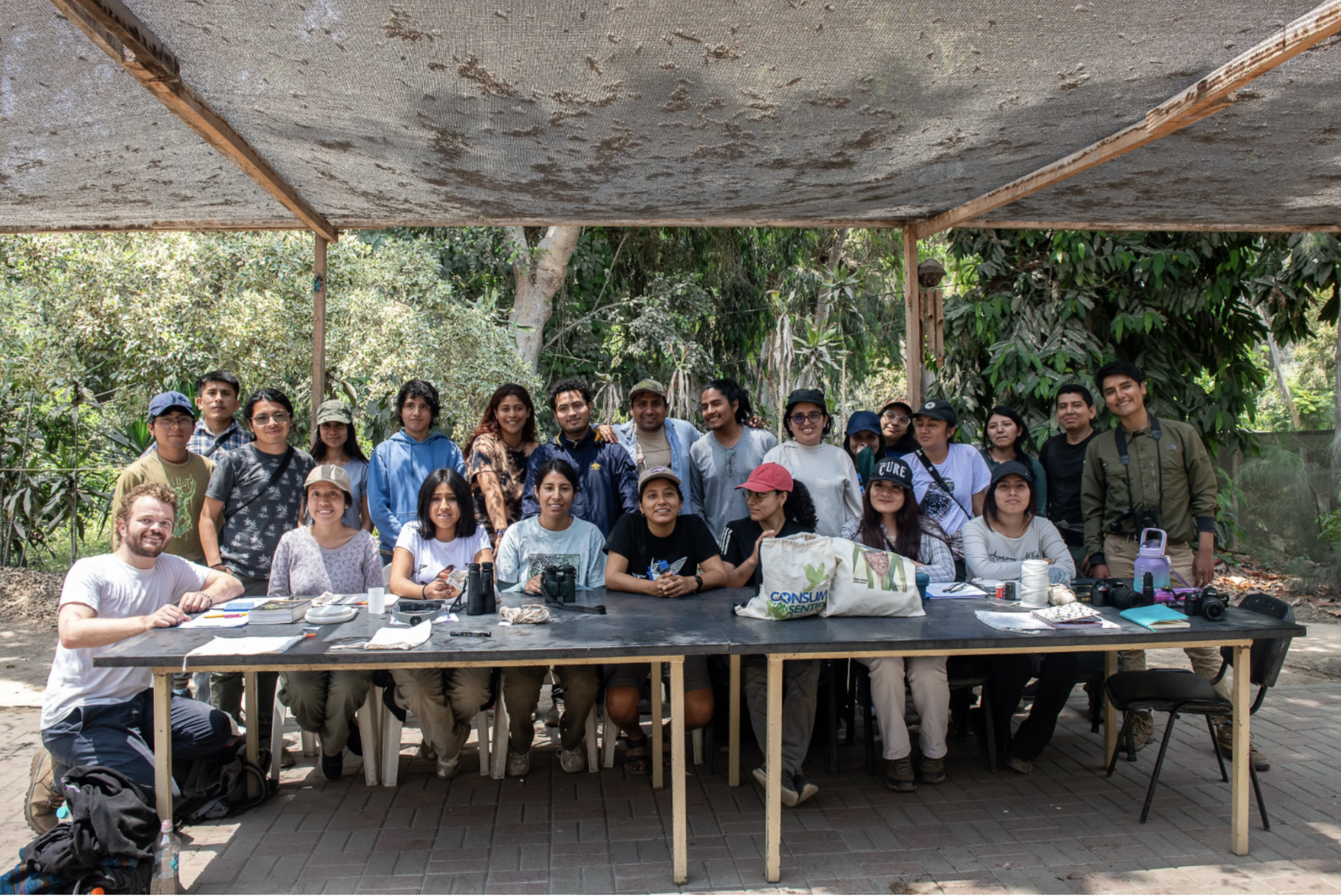
What is citizen science?
In the NATURESCAPES project, we think of CS broadly as scientific research that is carried out with the public, often in collaboration with scientists and research institutions, and has many important benefits. For example, CS can expand the reach of scientific research, enabling researchers and practitioners to gather environmental information across larger geographic areas and over longer periods of time (Kasperowski & Kullenberg, 2019).
Including communities in the creation of knowledge can also be transformative at the individual level. Studies show that citizen science increases participants’ scientific knowledge, raises environmental awareness, and fosters stronger connections to local ecosystems (MacPhail & Colla, 2020).
But might CS be able to affect deeper changes? Beyond data generation and individual learning, an important question is whether CS can contribute to broader societal transformation. When it comes to NbS, this means rethinking how environmental knowledge is produced, who participates in decision-making, and how NbS are designed and implemented to achieve more effective and just outcomes for climate, biodiversity, and communities.
What does citizen science for nature-based solutions look like?
In our work, we have been studying projects that cover a wide range of NbS, including urban green spaces, coral protection, wetlands, and mangrove restoration. The cases are diverse in their scope and approach to NbS and illustrate the many ways communities can contribute to understanding and restoring ecosystems.
So far, most CS initiatives have been led by universities and research institutions, with citizens mainly contributing through data collection and monitoring (e.g., Lekshmi et al., 2021). However, we are seeing that many NATURESCAPES cases also use community-rooted approaches. For example in Detroit, a citizen scientist mapped hidden waterways by cycling through the city and documenting where water appeared, generating new knowledge about the urban ecosystem.
CS rarely has a strong influence over NbS design, though, and the important knowledge generated from initiatives often doesn’t translate into policy change. Unlocking the transformative potential of CS, it seems, will require stronger integration with governance and co-design processes.
How does citizen science contribute to nature-based solutions?
Drawing out the synergies between CS and NbS design and implementation is a key part of our work in NATURESCAPES. Beyond contributing directly to improving environmental knowledge, CS can also help test and monitor the effectiveness of NbS interventions. For example, CS projects can help evaluate how riparian buffers improve water quality, and how urban trees contribute to cooling cities.
Importantly, CS can also transform the perspectives of its participants. The participatory aspects of CS can strengthen public understanding and acceptance of NbS. Previous work shows that participation can shift how ecosystems are perceived, with wetlands increasingly valued for carbon storage, erosion prevention, and food production.
These improvements for nature are a crucial part of CS’s ability to increase the transformative potential of NbS. But what about improvements for people? Our work has started to highlight how CS can also foster new skills, capacities, and empowerment within communities.
Through hands-on involvement in monitoring and restoration activities, participants often gain a deeper understanding of the environments they depend on. Training in environmental monitoring and data collection also helps participants develop scientific knowledge while enabling them to take a more active role in ecosystem management and environmental stewardship.
Some initiatives intentionally empower communities by recognizing local, experiential, or Indigenous knowledge and by giving participants leadership roles. While promising, many CS projects still struggle to include often-excluded groups, raising important questions about equity and representation and highlighting key areas for improvement. What we want to better understand in the NATURESCAPES project is how co-creating with communities and linking to decision-making processes can improve CS’s capacity to generate socio-ecological benefits that strengthen both ecosystems and community empowerment, and, importantly, contribute to societal transformations.
Citizen science. . . and beyond!
While many CS initiatives for nature-based solutions still operate primarily as tools for data collection, our work is looking to show when, where, and how they also hold significant transformative potential.
Realizing this potential requires intentional design. CS initiatives need to move beyond short-term projects, actively include underrepresented voices, and connect local knowledge with broader networks and policy systems. Having these conditions in place can help CS reshape how environmental knowledge is produced, who participates in decision-making, and how nature-based solutions are designed and implemented.

Author: Naomi Jankee
Naomi is a master’s student in Sustainable Development at Utrecht University. She is interested in climate adaptation, environmental governance, and, as a Caribbean-born researcher, the unique challenges faced by small island developing states. In her spare time, she enjoys running, trekking, and being outdoors. However, in the winter months she’s just as happy settling in with a good TV show or serving at her local church.